What A Financial Advisor For Millionaires Tells His Clients – And His Advice Can Work For You, Too
ByJoey Heldon October 11, 2019inArticles›Sports News
As the executive director at London and Capital, Jonathan Gold is in a unique position. He gets to work with numerous millionaires, helping athletes, musicians, and entertainers manage their money. It can be a challenging role; after all, you’re advising someone on their future. Particularly with athletes, they won’t get to play forever. After retirement, their income streams will slow down.
Gold’s main areas of focus are retirement planning, asset allocation, cash flow analysis, and Environmental, Social, and Governance investment portfolios. And while he mainly works with high-profile clients, his advice for them is applicable to anyone.
Let’s take a look at the three key takeaways Gold tells his clients.
Stick To A Straightforward Approach Of Stocks And Bonds
Except in rare cases, an athlete’s career will max out around 10 or 15 years. Sometimes, it’s even less than that. And the athlete may not be earning top dollar that entire time.
Gold recommends a low-risk portfolio so athletes don’t whittle away their money. This strategy is particularly sound for sports where earnings aren’t fixed, like golf or tennis.
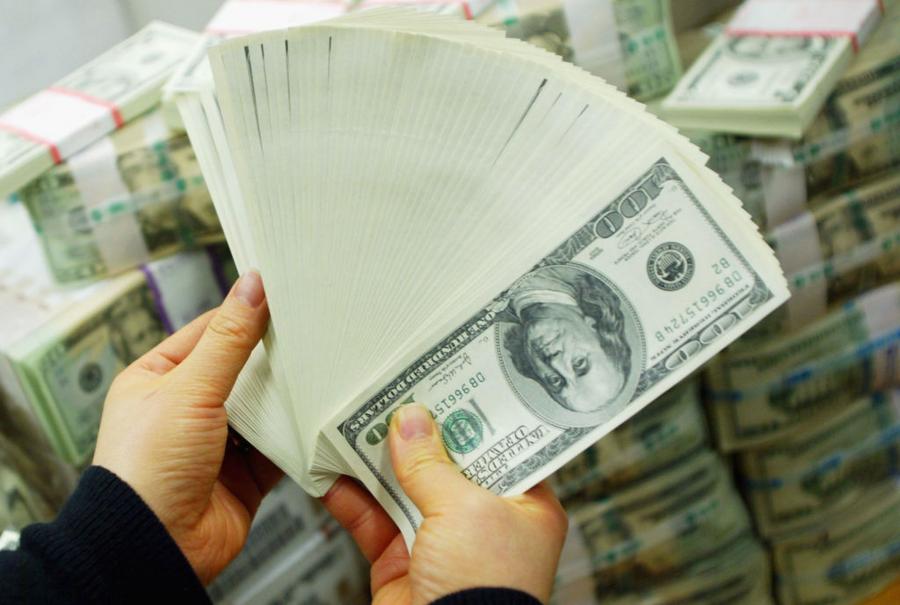
“The equity should be the risk part of your portfolio and the bonds should be the balance of that, the bedrock of producing a readily-knowable income stream,” Gold told Business Insider. Income not necessarily to spend straight away, maybe reinvested."
Chung Sung-Jun/Getty Images
Don’t Get Caught Up In Flashy Companies
Gold emphasizes that his main goal is to keep his clients wealthy. Taking on risk could do just the opposite.
That’s why Gold encourages athletes to look at companies that provide a level of familiarity. He says reading about the stock market is “just noise” and it’s better for a client to look at companies with a solid track record. Knowing a company will be around for a long time is generally a good indicator of success.
Gold says athletes are drawn to companies like Coca-Cola and Disney. Not only do the companies provide a sense of security, they also offer high dividends – another bonus for athletes.
Have A Financial Plan In Place
You don’t have to look far to see that athletes like showing off their wealth. Cristiano Ronaldo has about two dozen cars in his collection. Michael Jordan owns a private jet with elephant print on it. Floyd Mayweather ’s nickname is literally “Money.”
Gold doesn’t discourage these kinds of purchases, but he does work with clients to map out a plan. He uses cash flow and investment models to break down what an athlete is making in a given year, and what they’ll need to set aside for their future.
“This is what we need the plan to do, to create an amount worth X in a given time,” he tells athletes. “And that is a way of reversing out the amount this person wants to spend or live off in the future.”
Gold is aware that plenty of athletes have succumbed to financial woes. His job? Making sure nobody he works with goes down that same path.
- Glover Quin Has Doubled His NFL Income Thanks To Wise Investments
- These Are The Highest-Paid Athletes For Each Year In The Last Decade
- Citi Tracked The Results Of Clients Who Listened To Their Advice And Those Who Didn’t
- The 12 Highest Earning Athletes of All Time By Sport
- How Early Investments In GM and Coke Made Ty Cobb One Of The Richest Athletes Of All Time
- Luke Kuechly Is Taking Endorsment Of A Product To The Next Level
Luke Kuechly Is Taking Endorsment Of A Product To The Next Level
ByJoey Heldon July 27, 2016inArticles›Sports News
In the past, athletes could make some good money with product endorsements. We all remember Mean Joe Greene taking a sip of Coca-Cola, or Michael Jordan and Larry Bird playing an epic game of H-O-R-S-E to win a McDonald’s meal.
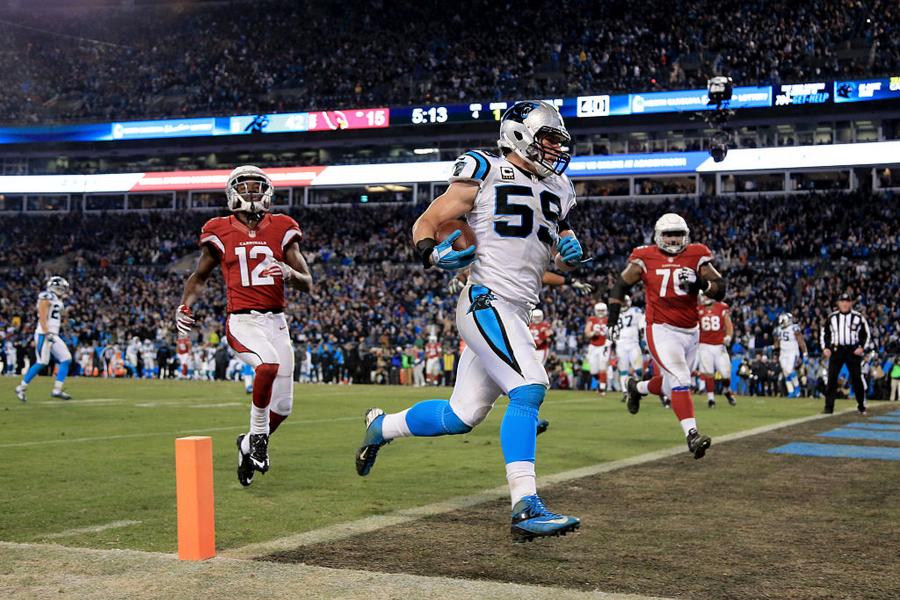
Nowadays, athletes can still make a mint from endorsing a product, but their involvement often goes much deeper than simply showing up for a commercial shoot. Take a look at Carolina Panthers linebacker Luke Kuechly , who just signed a deal with nutrition startup Eat the Bear (ETB). And by “signed a deal,” we mean he’s serving as just the third equity investor in the company, and he has a seat on ETB’s board of directors.
ETB’s CEO Jude Colangelo projects the company, which specializes in “clean and lean” protein powders and supplements, will do $4 million in sales this year. That’s not a huge number by any means, though having Kuechly onboard certainly raises the profile of ETB.
It’s not clear how much Kuechly has invested, but after signing a $62 million extension with the Panthers last year, the linebacker is looking to make a few moves off the field, too. He’s always been interested of the business side of things; however, he’s still taking the time to research any potential deals he signs.
“The lifestyle I grew up with is still the lifestyle I live now: things in moderation, be smart with what you have,” he says. “It’s not going to be there forever. A football career is a finite career.”
Mike Ehrmann/Getty Images
Kuechly is only 25, though he knows he plays a game where a career-ending injury is always a concern. He’s seen other athletes investing in their futures, and figures it’s his turn to lay the groundwork for when his playing days are over.
He can look to fellow NFL player Marques Colston for inspiration. Colston has invested in several startups in the performance and health and wellness industries. Not only does his existing knowledge of those areas minimize the due diligence Colston has to do, he’s able to provide his insight to those companies, effectively helping shape their futures.
Kuechly sees a similar opportunity with ETB, realizing he can contribute to both the company’s fame as well as its business strategy. He’s not simply taking a supplement and smiling for a television camera, he’s making an impact on the business and its long-term achievements.
In the NBA, stars like the Knicks’ Carmelo Anthony and former Laker Kobe Bryant have gotten involved with Silicon Valley companies, and Steph Curry has received equity stakes from Under Armour. He’s not alone, either – the company is starting to hand out equity to all of its celebrity endorsers.
Of course, endorsement deals can backfire for a brand: Adidas signed Derrick Rose to the largest endorsement deal in history. Soon afterwards, Rose tore his ACL, and more than four years later, he’s never returned to the same level on the court.
ETB and Kuechly are both based in Charlotte, something that Colangelo thinks will help the partnership. Colangelo, who has helped build and restructure companies while at Merrill Lynch and UBS, joked that Kuechly will someday be “coming for his office.”
Until then, Kuechly will be plenty satisfied sharing his experiences to help his first investment grow.
- This NFL Player Might Have The Most Extensive Portfolio Of Anyone In The League
- Highest Paid NBA Players 2014 – Including Endorsements
- Nike Has Spent An Incredible Amount On Endorsements Over The Past Decade
- Derrick Rose Might Give Up $80 Million From Adidas By Retiring Early
- LeBron James Doesn’t Want Endorsement Deals From Public Companies… And It’s A BRILLIANT Business Move
- LeBron James Has Now Officially Earned $500 Million In His Career. Here’s How He Did It…
